


Tips of the week
1O1O believes the modern perception of lifestyle is about being open to new experiences and deriving pleasure from ongoing discovery of the finer things in life. We can help you on your quest by offering insights into lifestyle trappings that could be about appreciation of favorite beverages such as Scotch whisky, Irish whiskey, Japanese sake or Chinese tea, as well as gourmet delights and an almost limitless range of other topics. The idea is for 1O1O to provide you with helpful tips that will assist you to live life to the full.

Champagne
Which glasses should you use to drink champagne?
Flutes are popular because they display tiny, rising bubbles perfectly. However, a little air space at the top of the glass does not help flavors develop sufficiently.
The coupe was commonly used in the early 20th century, but stunted champagne's natural effervescence.
Much better to use a large specially-designed champagne flute, or even a white wine glass.
Choice of glass is vitally important and can make all the difference in bringing out the singular flavor of superb champagne such as Dom Pérignon, which is made of grapes from 17 Grands Crus and 1 Premier Cru vineyards.
Whisky
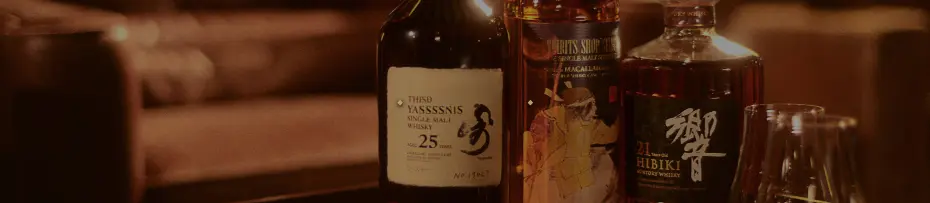
Asia's up-and-coming whisky hotspots
One of today's hottest Asian whisky-producing countries has to be Taiwan. Kavalan has won multiple international awards, stealing the limelight from the world's top distilleries, while the Nantou Distillery started commercial production in 2008. Nantou only distills and does not brew its own "wash". Instead it purchases beers from breweries for distillation. Taiwan's whiskies tend to be sweeter to suit the Asian palate, and are younger when compared with Scotch. The reason is hot weather facilitates evaporation during the maturing process, known as "Angel's share".
Some say India was once the biggest whisky-producing country, even if all distribution is domestic. Many authorities, however, argue that Indian distilleries used to add molasses to the process, which results in rum and not whisky. The John and Amrut distilleries now create premium single malts, combining ingredients from overseas with local resources. And just like Taiwan, India's hot climate facilitates evaporation, so these are relatively young whiskies.
Content Provided by Lifestyle Federation

Sake
Natto is a fermented soybean product enjoyed around the world – but not everyone is allowed to consume it.
Sake brewery workers must not eat this Japanese health food for at least two months before a production cycle. This is because the yeast particle components of natto affect the quality of rice koji during the fermentation process and will result in inferior quality. Some brewers say drinking sake is already enough to maintain one’s health, so giving up natto should be easy. Ganbai!
Does sake expire? Can I make vintage sake?
Japanese law dictates that a date of bottling is shown on the label. When the toji – head brewer – finds the sake is at its best, it will be bottled and sent to market. All the sake you find in the shops is ready to drink without further vintage.
A “best before” date indicates exceptional sake such as shinshu, namazake and nigorizake. These contain live yeast, so the body changes over time. The brewery suggests a “best before” date to ensure consumers get the best flavor and aroma.
Japanese sake bottles come in different colors. Does that mean anything?
Color can give an indication of style and quality. Brown and green are the most common sake bottle colors, while the contents of blue bottles tend to offer a fresher flavor and pleasant aroma favored by women. Black and transparent bottles are regarded as containing premium sake and will often feature gold print and Japanese calligraphy.
Sake is sensitive to temperature, light and exposure to air. This means darker-colored or matte finish bottles prevent the impact of direct sunlight. Next time you pick up a bottle of sake, check the color to make sure it satisfies your taste preference.